Velocity Support Services
Supported Independent Living Gold Coast Support Planned Around Your Life
Registered NDIS provider
In force until 1 November 2027
Supported Independent Living
Check it on the NDIS Commission register
In-house nurses and support
For households with complex needs
Occupational therapy on hand
For functional assessments
SIL VACANCIES
How Do Gold Coast Participants Find Out About SIL Vacancies?
SIL vacancies change from month to month, so the quickest way to get a current answer is to ask us. Tell us whether you would like to share or live on your own, the kind of household that suits you and the support you need, and we will tell you straight what SIL vacancies and options are open to you right now.
SIL pays for the support, not the house, so the conversation covers more than a vacancy list: how support would be planned around your routines, who you might share with, and what your plan funds. You can read more about how we deliver Supported Independent Living. If you have been searching for SIL Gold Coast options and keep finding listings that don’t fit, a conversation with us is a good place to start, and you won’t be asked to commit to anything during it.
Daily SIL Support for Gold Coast Participants
In supported independent living, Gold Coast participants get help from support workers with the everyday tasks of running a home and a life, while staying in charge of how their days go. Here is what that support usually covers.
Personal care and health routines
Showering, dressing and the health routines in your plan, done in the way and at the times you prefer.
Meals, shopping and housework
Planning meals, doing the shopping, cooking and keeping shared spaces clean, with as much or as little help as you need.
Medication prompts and appointments
Reminders to take medication as prescribed, and help getting to and keeping track of appointments.
Building skills
Practising budgeting, cooking, using public transport and other skills that let you do more for yourself over time.
Community, social and recreational life
Time with friends, hobbies, sport and outings, with support to get there and take part.
Overnight support where your plan includes it
Support levels, including overnight support, are planned around each person's needs and funding.
Why Your Support and Your Home Sit in Separate Agreements
SIL funding pays for the support staff in your home. Rent, board, utilities and food are separate costs that you pay yourself.
Sometimes one organisation provides both the support and the housing. When that happens, the NDIS Commission’s standard on tenancy, housing and support arrangements requires separate service and tenancy agreements, and your tenancy cannot depend on you keeping that provider for support.
As a tenant in Queensland, you also have rights under state tenancy law. The Residential Tenancies Authority explains them.

How Do You Get SIL Included in Your NDIS Plan?
SIL has to be funded in your NDIS plan before a provider can deliver it. The NDIA looks at evidence of your daily support needs, and an occupational therapist’s functional assessment is often part of that evidence.
You don’t have to work this out alone. A support coordinator can help you gather the evidence and make the request. On the Gold Coast, Carers QLD in Southport is the Local Area Coordinator partner and can help you understand your plan. Once SIL is in your plan, you and your provider work out the support schedule and the costs together.
Velocity can do both parts: an occupational therapist can carry out the functional assessment, and our SIL team can deliver the support once it is funded.
Why Does SIL Take Up So Much of an NDIS Plan?
In Queensland, the average annualised plan budget for participants in SIL was $492,900 at 30 June 2026, compared with $69,100 for participants not in SIL.
Housemate Matching for Gold Coast SIL Participants
Velocity’s SIL can be a shared or an individual arrangement. Starting SIL is a big change on its own, so it helps if the household you join is a good fit. If you share, who you live with matters as much as the house. Routines, interests, noise, visitors and support needs all affect whether a household works.
The NDIS Commission’s standard expects your service agreement to explain how vacancies are filled, with each person’s needs, preferences and situation taken into account. It should also cover how disagreements between housemates are handled and how visitors are supported.
For example, someone who works early shifts and likes a quiet evening may not settle well with a housemate who has friends over most nights. Talking that through before a move saves a lot of stress after it.
Nurses and Behaviour Support Inside the Same Provider
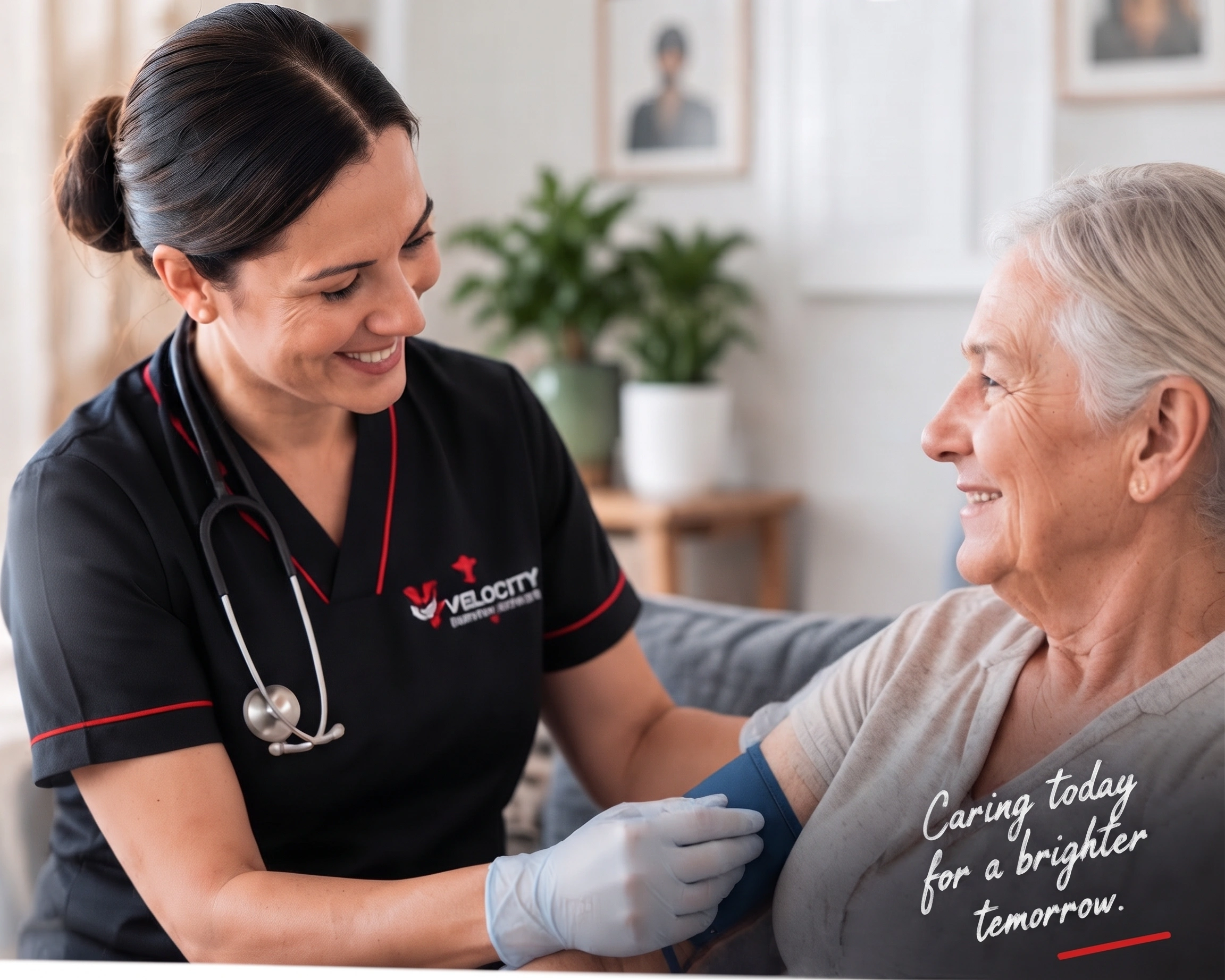
Some SIL households include people with complex health needs or behaviour support needs. Velocity is registered for high intensity daily personal activities, community nursing care and behaviour support. Our Ahpra-registered nurses provide care such as PEG and enteral feeding, catheter care, wound care and insulin management. We also have our own positive behaviour support practitioners.
The NDIS Commission’s SIL safeguarding standard expects workers in SIL homes to be trained in de-escalation, trauma-informed practice and positive behaviour support. Ask us how that applies to the team who would support you.
What Do the NDIS SIL Practice Standards Mean for You?
Registered SIL providers are measured against four standards built around the person living in the home.
- Supported decision-making: you are supported to make your own decisions about your life and your support.
- Safeguarding: your safety at home is protected while your right to take reasonable risks is respected.
- Practice governance: how the provider runs, supervises and improves the support you receive.
- Agreements about tenancy, housing and support: clear, separate agreements, so where the standard applies you can change support provider without losing your home.
Read the SIL Practice Standards in full on the NDIS Commission website.
BEFORE YOU CHOOSE
A Supported Independent Living Gold Coast Checklist for Any Provider
- Is SIL on your NDIS registration, and what conditions does your register entry show? (Velocity: yes, and we will talk you through our entry.)
- What SIL vacancies do you have right now, and how are housemates matched?
- How is overnight support rostered?
- Who handles health needs and behaviour support?
- Are support and tenancy in separate agreements?
- How do I raise a concern or change provider?
Moving Into SIL With Velocity, Step by Step
Step 1
Talk to Our Intake Team
Call, email or send a referral. Tell us how you would like to live, whether you want to share, and what your NDIS plan currently includes.
Step 2
Understand Your Needs
We get to know your routines, goals and support needs, with input from an occupational therapist and a nurse where your situation calls for it.
Step 3
Agree the Home, Housemates and Roster
Together we settle the living arrangement, who you will share with and how support is rostered. Support and tenancy are set out in separate agreements.
Step 4
Meet Your Team, Then Move In
You meet the people who will support you before the move. Moving day is planned with you, so you know who will be there and what happens first.
Can You Stay Connected to Your Gold Coast Community?
Yes, and it is worth planning for from the start. SIL support includes community, social and recreational activities, so your support workers can help you keep up the parts of life that happen outside the house. Velocity also provides community participation support and travel and transport support. So if your plan funds them, visits to family, your regular group or your sport can stay part of your life.
Short Term and Medium Term Accommodation While You Find the Right Home
Sometimes you need a place to stay while you settle on a long-term home, or a hospital stay means you can't go straight back to where you were living. Velocity's short term accommodation offers planned breaks, and our medium term accommodation gives you somewhere to live while a long-term home is being arranged. A short stay can also be a gentle way to try supported living before a bigger change.
From a Hospital Bed to a Supported Home
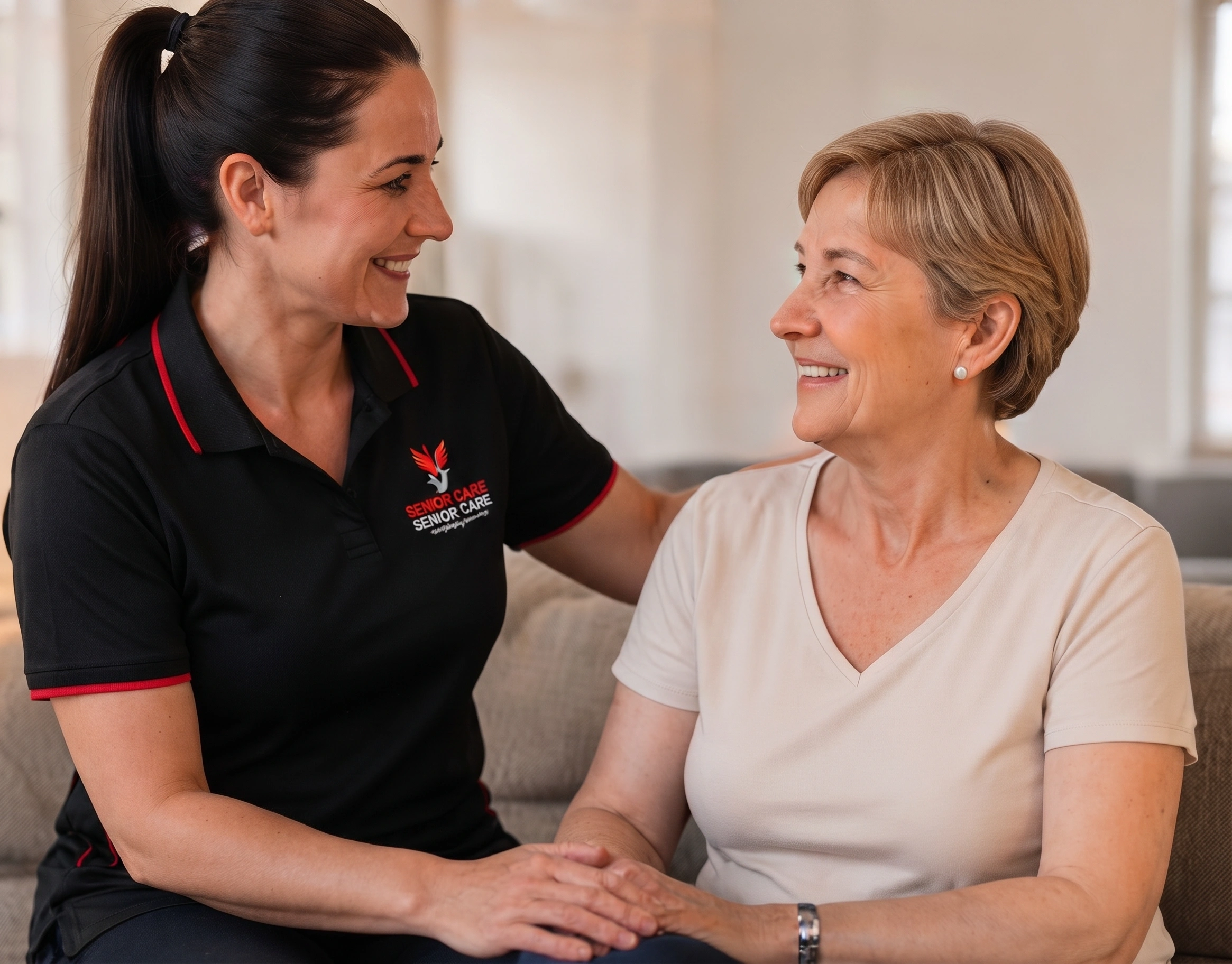
Sometimes a stay at Gold Coast University Hospital or Robina Hospital makes it clear that going home without support is no longer realistic. Discharge planners and support coordinators can refer to Velocity at that point. Our nurses can support the move out of hospital while longer-term SIL is worked out, so the person is not left waiting in a ward for every piece to be in place.
NDIS Accommodation Gold Coast Families Ask About Most
These four terms come up in almost every conversation about SIL accommodation Gold Coast families have with us.
| Term | What it is | Velocity? |
|---|---|---|
| SIL (Supported Independent Living) | Support in a shared or individual home | Yes, as a registered NDIS SIL provider; ask us about current vacancies and options |
| SDA (Specialist Disability Accommodation) | Specialist housing, funded separately, for people who meet strict criteria | Velocity does not provide SDA housing |
| STA (short term accommodation) | Short stays for a planned break | Yes; ask us about availability |
| MTA (medium term accommodation) | A temporary home while long-term housing is ready | Yes; ask us about availability |
FAQS
Supported Independent Living Questions From Gold Coast Families
What does supported independent living Gold Coast support cost?
SIL support is funded through your NDIS plan. Rent, board, utilities and food are separate costs you pay yourself. Before support starts, your service agreement sets out exactly what will be charged to your plan, so you can check it against your funding.
How do I choose a SIL provider Gold Coast families can trust?
Check the provider on the NDIS Commission register and confirm that Supported Independent Living is one of its registration groups. Ask whether support and tenancy are in separate agreements. Then work through the checklist on this page and compare the answers you get.
How can Gold Coast families find out about SIL vacancies?
Ask us. Vacancies change from month to month, so tell us whether you want to share or live on your own and what support you need, and we will tell you honestly what SIL vacancies and options are available to you.
Can I get SIL in the home I already live in?
Possibly. SIL pays for support, not for the house, so it isn’t tied to one property. Whether it suits your situation depends on your needs and what your NDIS plan funds. Ask us and we will talk it through with you.
Is overnight support included?
Support levels, including overnight support, are planned around each person’s needs and funding. If overnight support is in your plan, we will explain how it would be rostered before you agree to anything.
Can I change SIL provider without moving out?
Often, yes. Where one provider gives both support and tenancy, the NDIS Commission’s standard says your tenancy cannot depend on keeping that provider for support. Check both of your agreements, and ask us if you would like help reading them.
Supported Independent Living Gold Coast
SIL Gold Coast Referrals From Support Coordinators
When you refer, please send the participant’s NDIS number, plan type and plan dates, whether SIL is funded yet, their support needs, the area they would like to live in, any housemate preferences, recent reports and consent. Our referral form has a SIL option, so choose it and add what you know. Send the referral even if some of this is still being worked out; our intake team will follow up.
Talk to Us About Supported Independent Living on the Gold Coast
- Last updated:
- Reviewed against the NDIS Commission SIL Practice Standards and the NDIA Queensland Performance Dashboard (30 June 2026).
- 5 November 2026